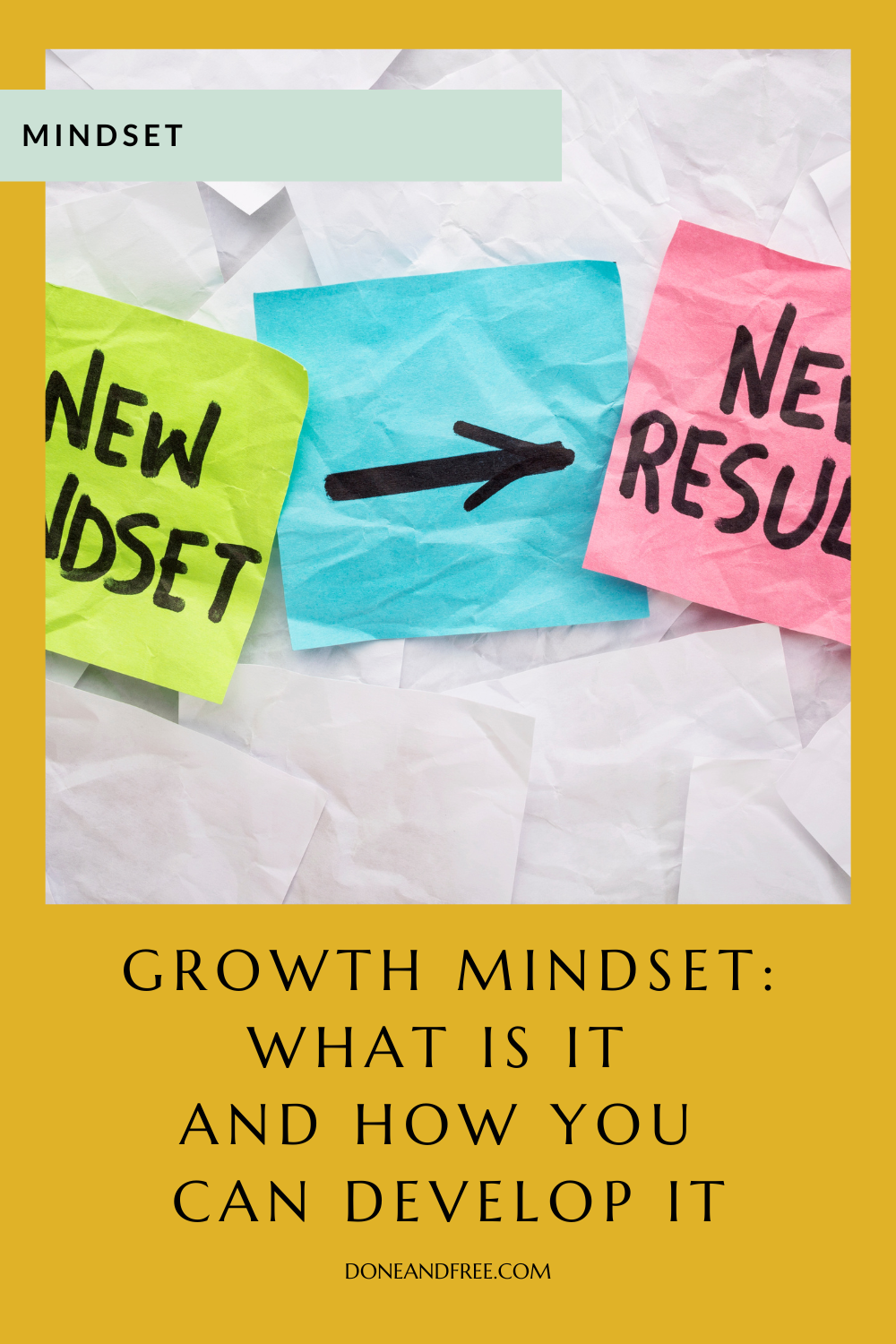
Our mindset creates our reality, and it plays a significant role in shaping our perception of the world and our ability to overcome challenges and improve.
There are basically two types of mindsets, and all of us adopt one or the other in our regular lives without being conscious of it. We can either have a growth mindset or a fixed mindset.
In this blog post, I’ll tell you all about the differences between them, how you can identify which one you have, and how you can develop a growth mindset.
What’s a fixed mindset?
A fixed mindset believes that intelligence is fixed and predetermined. A fixed mindset associates talents and abilities with being born that way and doesn’t believe that we can change or improve. People with a fixed mindset tend to be less open to criticism and to try new things. They try to avoid failure and take setbacks as personal issues. Or they try to blame others or make excuses to justify their mistakes. Other people’s successes become a threat and they cannot feel genuinely happy for that.
They find comfort in their established abilities and seek validation rather than actively seeking growth. They think that ‘overnight success’ is real and that if someone is not naturally good at something then that’s not possible for them.
Having a fixed mindset limits our potential, as we don’t see opportunities to grow and evolve. We become less flexible and less likely to take risks because we fear failing, so we basically stay the same because it’s safer.
What’s a growth mindset?
A growth mindset believes that intelligence is not static. A growth mindset is based on improvement and the belief that we can grow and evolve to become better. Abilities, skills, and intelligence can be developed through learning, putting in effort, and consistency.
“This growth mindset is based on the belief that your basic qualities are things you can cultivate through your efforts, your strategies, and help from others. Although people may differ in every way -in their initial talents and aptitudes, interests, or temperaments- everyone can change and grow through application and experience”. – Mindset, Dr. Carol S. Dweck
With a growth mindset failure doesn’t define you, it’s not personal. Failure is a problem to be solved or an opportunity to learn from your mistakes and get better for next time.
People with a growth mindset take charge of their learning and motivations. They are focused on improvement, not on the outcome. And therefore, the outcome is good most of the time. Think about it, if you do something that you like and enjoy consistently, you keep learning about it and improving; don’t you think you will succeed after a while? That’s mainly the case with CEOs, high-performance athletes, and successful people in general. They just keep going, and over time, this improvement can even lead to mastery.
Having a growth mindset it’s a process. It involves effort but it’s not just about that. The love for learning and keep getting better is crucial. Also being open to trying new strategies if the ones you’re using are not giving the results you want and asking for help and input from others to improve are two important parts of having this type of mindset.
Adopting a growth mindset has multiple advantages. It increases your willingness to take on challenges, learn new things, improves your resilience, and makes you open to feedback. Being open to improvement will also help you be more confident in your abilities to overcome difficulties and achieve your goals.
How can you identify your type of mindset?
In general, a person will be more inclined to one mindset or the other. But it’s also true that you can have both a fixed or growth mindset depending on the situation and the area of your life. For example, maybe you have a fixed mindset when it comes to personality traits, you think you cannot change the way you are. But you have a growth mindset when it comes to learning new languages because you enjoy it, and you believe you can get better at it with practice and effort.
So, ask yourself if you think that your level of intelligence, your abilities, and your personality traits are something you were born with and it’s not possible to change them. If that’s the case, you probably have a fixed mindset.
On the other hand, if you think you can improve your intelligence, abilities, and even some aspects of your personality, by putting time, consistency, and effort towards it, then you tend to have a growth mindset.
Be aware also of how you behave in the face of challenges or difficulties. If you tend to make up excuses or blame others for the bad thing that happen, you are probably trapped in a fixed mindset. If, on the other hand, you try to find a solution and try to see the lesson behind the setbacks, you tend to have a growth mindset.
In any case, don’t beat yourself up about it. Having a fixed mindset have a lot to do with our limiting beliefs and negative self-talk. And you can change that.
The first step to do so and to get better is to be aware of our current situation, and you are doing it. So, let’s move on to how you can develop a growth mindset.

“Prodigies or not, we all have interests that can blossom into abilities” – Mindset, Dr. Carol S. Dweck
How can you develop a growth mindset?
With time and practice, we can change our mindset. So, if you find that most of the time you are trapped in a fixed mindset that doesn’t feel good, here you have 10 tips to try and tap into a growth mindset.
- Learn something new: I’m sure you have some ability, sport, or craft that you always wanted to learn. Try it out! This will help you get out of your comfort zone and build your growth muscles. Also, if you ended up liking it you can have a new hobby. If not, at least you try it, and you can move on to the next thing.
- Use the word ‘yet’ more often: The way you talk is really powerful, so one easy way to start developing a growth mindset is to turn the negativity off and put the word ‘yet’ on things you want to improve. For example, if you are learning a new sport, instead of saying ‘I’m not good at volleyball’, start saying ‘I’m not good at volleyball yet’.
- Be kind to yourself: Along with how you talk, the way you treat yourself is crucial for your mindset. Sometimes we are harder on ourselves than on anyone else. Start to talk to yourself the same way you will talk to your best friend. Be loving and supportive of your process and see how you’ll feel better about it.
- Embrace feedback: Use feedback and opinions of others as input. Don’t take them too personally. Learn to differentiate between useful and useless feedback. The first kind will make you think about ways in which you can improve. Useless opinions are negative, and you cannot act on them, so don’t waste your time and keep going.
- Don’t wait for the approval of others: Related to the prior one, remember that this is your life, and you should be the only one deciding about it. If you are going to hear the opinions of others, use them wisely. But avoid waiting for others to approve of what you do, take responsibility for your choices, and keep improving.
- See your challenges as opportunities: Try to look for the bright side of difficult times. Don’t victimize yourself and remember that anything bad that happened to you, surely already happened to anyone else too. You can make something good out of it.
- Celebrate the success of others: Recognize that there’s enough for everyone, that’s a good indicator of a growth mindset. Be happy when your friends and loved ones accomplish something and spread good energy around you. It’s gonna come back!
- Don’t focus on outcomes too much: If you only focus on what you are going to get or the results, you are going to be distracted from the journey. Always put the focus on improving, and making the process enjoyable, then the outcome will follow along.
- Recognize failures and learn from them: Try to have an open mind and look for lessons in each failure. Solve the problem first, and then analyze what went wrong. Look for things you can do better next time, that’s the key to long-term success.
- Think about the journey of people you admire: Think about someone you admire in life; it could be a public figure or a loved one. Investigate their life a bit, and look for setbacks, failures, and how they kept on moving. How can you relate to that? Are they perfect? Probably no. So, use them as an example that you can improve and do better with time and effort too.
Finally, remember that this is a process, not a destination. Developing a growth mindset takes time, but you can embrace growth as a way of living, and improve a little bit every day. This way you will be able to overcome your limitations and you will take advantage of setbacks, setting you on the right path to success.
Are you willing to give it a try? Let me know in the comments!
Disclaimer: Some of the links in this post are affiliate links, meaning that if you click through & make a purchase, I will receive a small commission at no extra cost to you. Thank you for your support!
Pin it!