You may have started the year with all the energy and willingness to try and stick to new and better habits, but now you’re a couple of months in and may feel like it’s better to just drop it.
Creating new habits takes time and energy. Some say that after 21 days you can create a new habit, others say it’s more like 60 days. But no matter the amount of time, you need more than that.
Sticking to new habits is not something that’s only up to the time or even to your motivation. Of course, if you have a clear why behind trying something new it’ll be easier to keep it going. But sometimes that’s not enough.
You may need to improve your methods if you want a long-term change. So let’s go through how you can do that in this blog post.

No one-size-fits-all
As with most things in life, maybe what others do or how they do it doesn’t work for you. That’s totally fine.
The first step to creating better habits and sticking to them is to be honest with yourself. You really need to try and know yourself well enough to understand what approaches are going to work for you or not.
Audit yourself
If you don’t know where to start, you can try and track how you spend your time for a couple of days. Ideally, you’d do this for a week, so you have some variants in place. Put a timer at every hour and write down what are you doing and how are you feeling about it.
After a couple of days, you will have a clear picture of what your days look like and an overall view of your current routine and how you feel about it. This will help you design the right strategy for the new habits you are trying to include in that routine.
Take the 4 tendencies test
Gretchen Rubin developed an easy and useful online test to know what your “tendency” is, you can take it for free here.
From Gretchen Rubin’s website:
“We all face two kinds of expectations—outer expectations (meet work deadlines, answer a request from a friend) and inner expectations (keep a New Year’s resolution, start meditating). Your response to expectations determines your “Tendency”—that is, whether you’re an Upholder, Questioner, Obliger, or Rebel.
- Upholders respond readily to outer and inner expectations—“Discipline is my freedom”
- Questioners question all expectations; they’ll meet an expectation if they think it makes sense; essentially, they make all expectations into inner expectations—“I’ll comply—if you convince me why”
- Obligers meet outer expectations, but struggle to meet expectations they impose on themselves—“You can count on me; and I’m counting on you to count on me”
- Rebels resist all expectations, outer and inner alike—“You can’t make me, and neither can I”
Knowing your Tendency can help you set up situations in ways that make it more likely that you’ll achieve your aims. You can make better decisions, meet deadlines, meet your promises to yourself, suffer less stress, and engage more deeply with others.”
This is a really powerful tool you can use to know what strategies will work best for you when trying to get rid of unhealthy habits or create new ones.
Embrace your natural inclinations
Don’t try to go against yourself. Be aware of your chronotype and what times you work better and try to work around that.
If you like and are more active at night, trying to wake up at 5 am every day will be a nightmare for you. On the other hand, if you enjoy mornings and are ready to go early, you may want to schedule your workout early in the day.
Even when you cannot control your schedule, you can probably still use chunks of time whenever you feel more inclined to do something. Go with your guts and you will be more likely to accomplish your new goals.
Trial and error
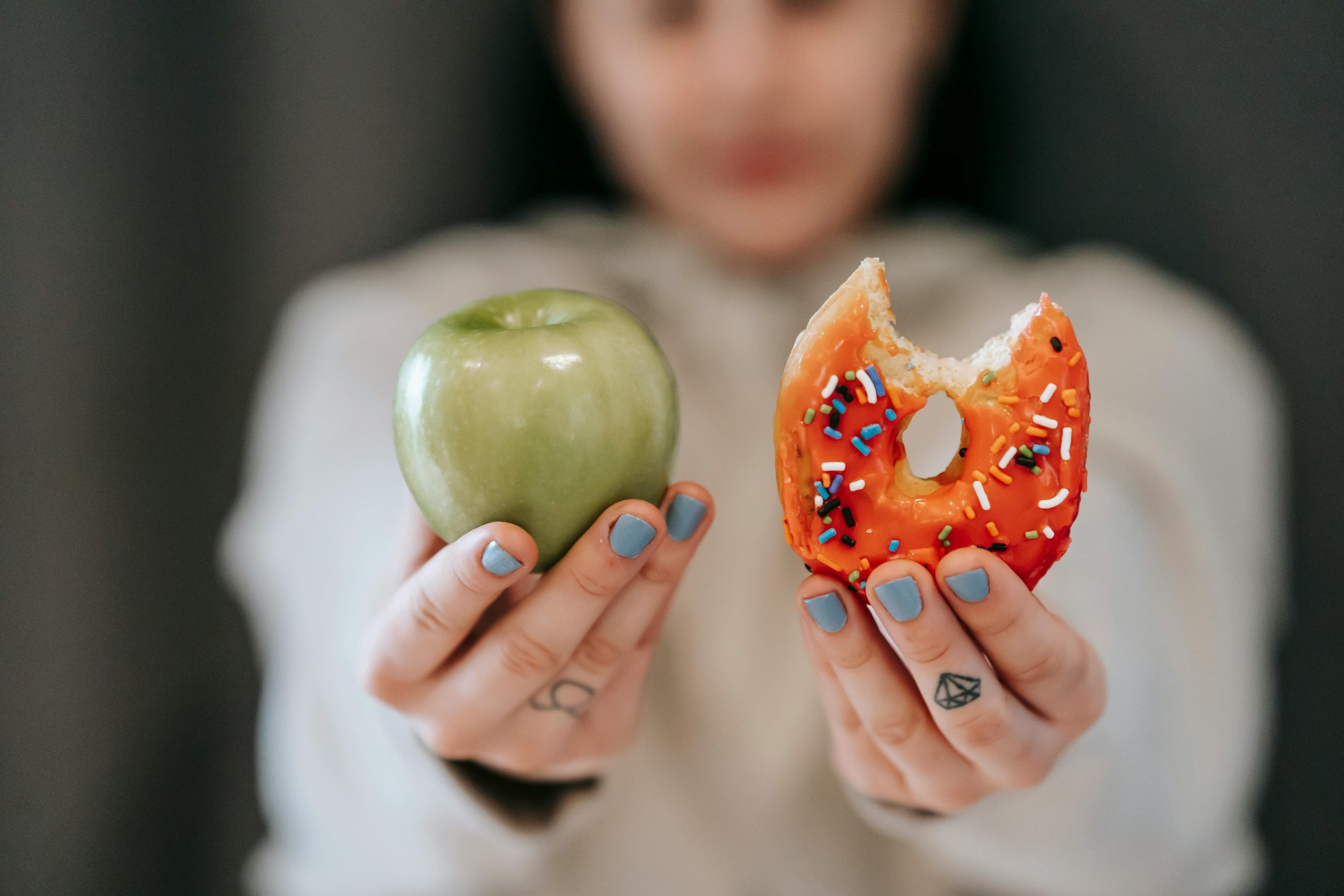
You are probably not going to get it perfectly the first time. If you are trying to read more, you may want to try different books until you find one that you really enjoy and want to keep reading. The same thing will happen with trying to eat healthier or any other habit you are trying to add to your life. Keep this quote in mind:
“The best book is the one you can’t put down. The best exercise is the one you enjoy doing every day. The best health food is the one you find tasty. The best work is the work you’d do for free.” – Naval Ravikant
Pain and pleasure principle
We are programmed to avoid pain and seek pleasure. So to hack that programming, next time you want to include a new habit in your life ask yourself:
- Is the pain of not doing it greater than the pain of starting that new habit?
- Is the pleasure of staying the same greater than the pleasure of being that improved new version of yourself?
Think about it from the perspective of what your future self would think or need. This way it will be easier to make better choices.
Path of least resistant
Whenever you are starting something new, be gentle with yourself and make it as frictionless as possible. For example, if you are starting a fitness routine, don’t go to a gym 10 blocks away from your place, because after a couple of days, it’ll be harder to get yourself motivated.
Don’t make things harder or complicated at the beginning. If you don’t have a morning routine, don’t try to start doing meditation, journaling, and exercising first thing in the morning at the same time. Start with the one you like the most or will impact you the most, and add up after some time.
Find alternatives
As I’ve already said above, there is no one-size-fits-all when it comes to habits. You need to try and find the way that works for you.
For example: If you are trying to exercise more but you don’t like going to the gym, you don’t need to force yourself to do it, try joining a sports team, or go to dance lessons. Find an alternative that you enjoy, or that at least you don’t hate at the beginning.

Go step by step
Be realistic when starting a new habit, besides making it as frictionless as possible, go easier on it. If you try to go from zero to ten in one week you are giving yourself more chances for failure. With working out for example, instead of saying that you’re going to the gym every day, start with 3 times a week. You can always fine-tune or add more later.
Or you can go all in (especially when quitting)
If you are one of those all-or-nothing people, this will work for you. Especially when quitting a bad habit, it could be a good practice to stop it altogether instead of going step by step. For example, let’s say you want to stop drinking alcohol. It can be better to stop it instead of just having one drink that may end up being three or four.
External accountability
External accountability is one of the best ways to stick to new habits. Joining a running group, a reading group, or scheduling a regular date with a friend to talk about your goals can be all you need to get serious about your goals and habits.
Keep failing and repeating
As much as we’d like, there are no magic formulas. The key to habits is to customize and adjust them to your current situation. And then keep on trying it over and over again.
Remember that what you do every day matters, and it compounds long-term, either for good or bad. The actions you take today will pave the path for your future self.
What do you want your future self to look like?
Keep that in mind while using these tips to design your best habits. Let’s do it!
Pin it!